
What is Botulinum Toxin Treatment?
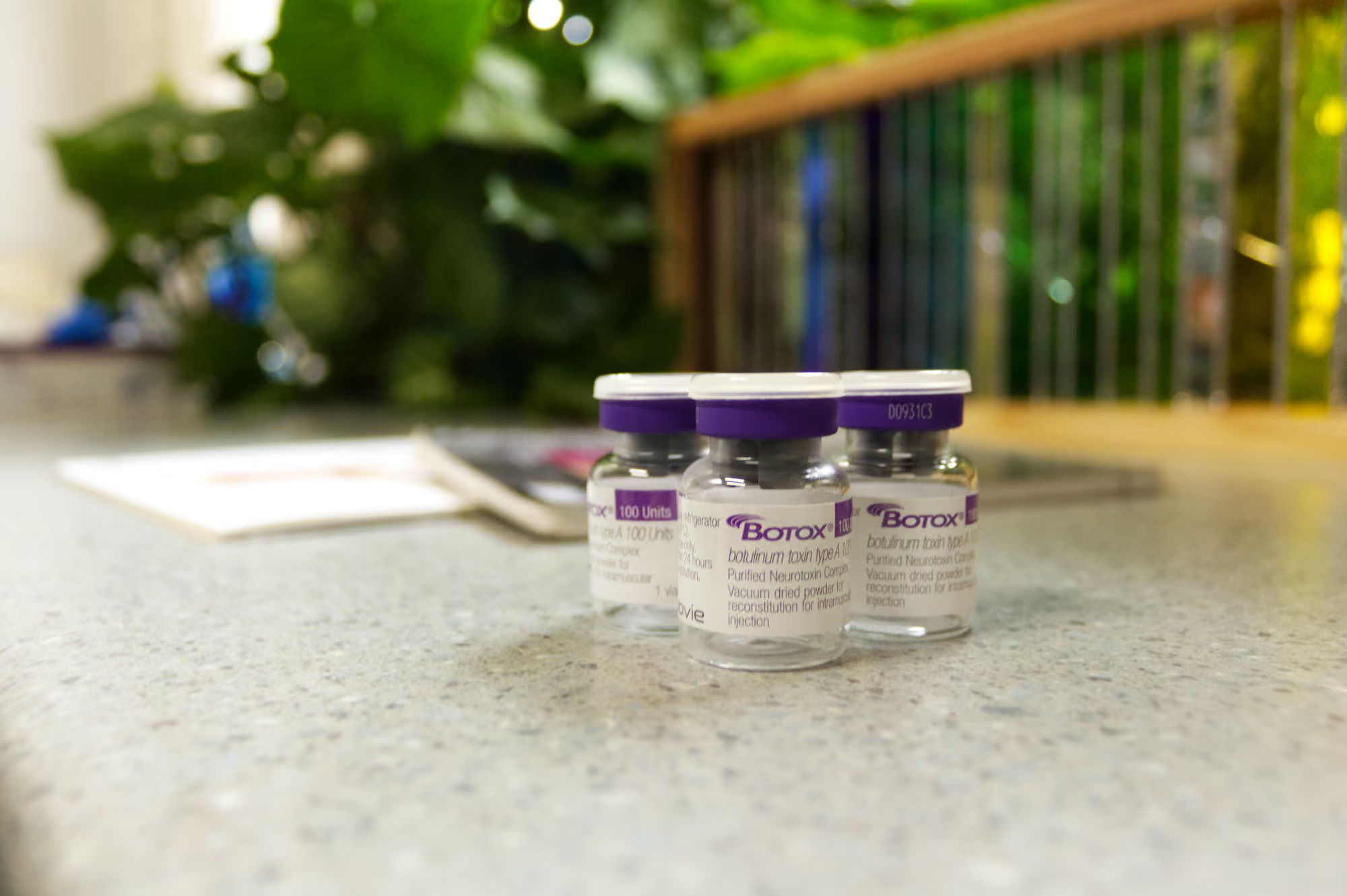
Botulinum toxin is a prescription medication commonly used to help reduce unwanted muscle activity, muscle tightness, spasm, and certain pain conditions in relation to chronic neurological conditions.
Treatment is carefully tailored to each patient’s symptoms and neurological condition.
At Northwest Neurology, injections are performed by experienced neurologists as part of an individualised treatment plan.

Conditions Commonly Treated
Botulinum toxin treatment may be recommended for conditions including:
- Chronic migraine
- Cervical dystonia (torticollis)
- Hemifacial spasm
- Blepharospasm
- Spasticity
- Excessive salivation (sialorrhea)
- Axillary Hyperhidrosis (excessive sweating)
Treatment suitability depends on your individual symptoms, diagnosis, and clinical assessment.
Greater Occipital Nerve (GON)
Northwest Neurology also provides Greater Occipital Nerve (GON) block treatment for selected headache and migraine conditions.
A GON block involves injection of medication around nerves at the back of the head and may assist in reducing:
Chronic headache symptoms
Migraine frequency
Occipital neuralgia-related pain
Your neurologist will discuss whether this treatment option may be appropriate for your condition.

What to Expect During Treatment
Botulinum toxin injections are performed in the clinic and generally do not require special preparation.
During your appointment:
- Your neurologist will assess your symptoms and treatment areas
- Small injections are administered superficially under the skin or into targeted muscles
- Most appointments are completed within a short timeframe
- Patients are usually able to return home shortly afterwards
What to expect following treatment:
- Begin within 5 to 10 days
- Reach maximum benefit within 1 to 2 months
- Gradually wear off after approximately 3 months
Repeat treatment is often required to maintain symptom control.
Important Treatment Information
Possible Side Effects
Most side effects are mild and temporary, however may include:
- Local discomfort or bruising
- Temporary muscle weakness
- Headache
- Tiredness
- Mild flu-like symptoms
Your neurologist will discuss potential risks, expected outcomes, and follow-up recommendations before treatment.
PBS & Non-PBS Treatment Information
Some neurological botulinum toxin treatments may be eligible under the Pharmaceutical Benefits Scheme (PBS), while others may involve private or non-PBS treatment costs.
Treatment costs can vary depending on:
- The condition being treated
- Medication requirements
- Injection areas
- Eligibility criteria
Our team can provide further information regarding fees and treatment eligibility prior to your appointment.
Please note that appointments and treatments may involve out-of-pocket expenses.


Frequently Asked Questions
Please note the rear car park has low clearance height restrictions. If you have accessibility requirements or use mobility equipment, please contact our team prior to your appointment so we can assist.
Yes. Depending on the treatment type and PBS eligibility, appointments and procedures may involve out-of-pocket expenses.
Yes. A valid referral from a doctor or specialist is required before booking an appointment.
Treatment effects typically last around three months, although this can vary between patients.
Most patients tolerate treatment well. Injections are performed using very fine needles and discomfort is generally minimal.
Please bring your referral, medication list, Medicare card, and any relevant scans or reports.
Some conditions require repeat treatments to maintain symptom control and ongoing benefit.

Have You Been Referred for Botox Treatment?
If you have been referred for botulinum toxin treatment or would like further information, our team is here to help.