
What is an EEG?
An EEG, or electroencephalogram, is a test that records electrical activity within the brain using small electrodes placed on the scalp.
The test helps neurologists assess brain activity and may assist in diagnosing or monitoring a range of neurological conditions.
EEG testing is non-invasive and does not involve surgery or injections.
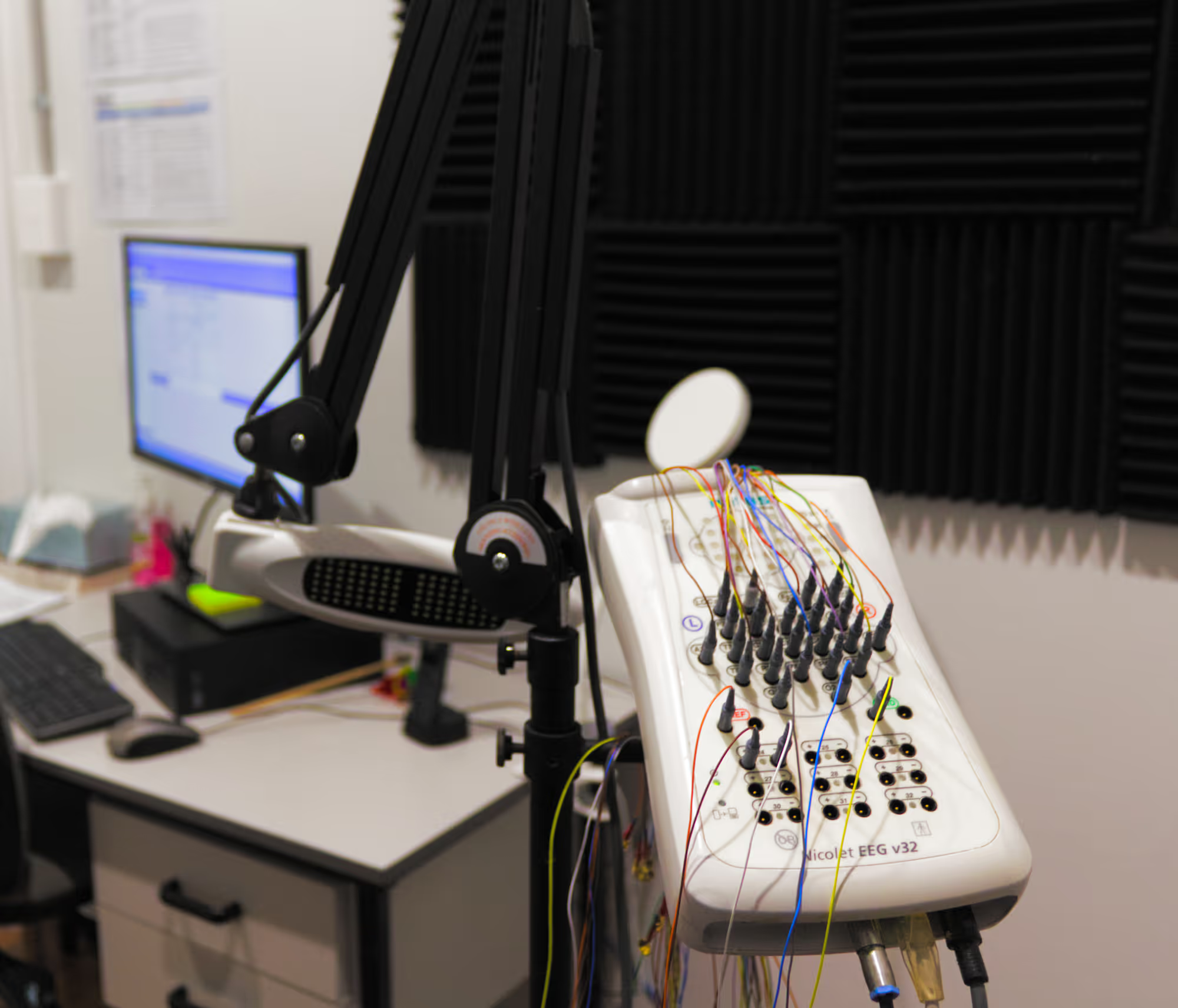
What to Expect and How to Prepare
Why Might an EEG Be Recommended?
An EEG may be requested to investigate symptoms or conditions such as:
- Epilepsy and seizures
- Blackout episodes
- Episodes of altered awareness
- Unexplained fainting events
- Abnormal movements
- Other neurological conditions affecting brain function
Your neurologist or referring doctor will explain why the test has been recommended for your individual situation.
What to Expect During the Test
During the appointment:
- Small electrodes will be placed on your scalp using a special cream or adhesive
- You will relax in a reclined chair or bed while recordings are taken
- The test usually takes between 20 and 40 minutes
- You may be asked to breathe deeply or look at flashing lights during the recording
The test itself is painless.
Once the recording is complete, the electrodes will be removed and you will generally be able to return home immediately afterwards.
Preparing for Your EEG
To help ensure the best possible recording quality, we recommend:
- Washing your hair the night before your appointment
- Avoiding hair sprays, oils, gels, or styling products
- Taking your usual medications unless advised otherwise
- Avoiding caffeine prior to the test where possible
Please arrive on time for your appointment and advise our team if you have any accessibility requirements or special needs.
Children are not seen in consultation at Northwest Neurology, however EEG testing can be performed on patients of all ages with a valid referral.
Sleep-Deprived EEG Information
Some patients may be booked for a sleep-deprived EEG, which can improve the likelihood of detecting abnormal brain activity.
If you are scheduled for this type of test, specific instructions will be provided prior to your appointment. This may include:
- Reduced sleep the night before testing
- Remaining awake prior to your appointment
- Avoiding caffeine
For safety reasons, patients attending a sleep-deprived EEG should arrange appropriate transport if feeling excessively tired after the test.


Frequently Asked Questions
Please note the rear car park has low clearance height restrictions. If you have accessibility requirements or use mobility equipment, please contact our team prior to your appointment so we can assist.
Yes. Depending on the treatment type and PBS eligibility, appointments and procedures may involve out-of-pocket expenses.
Yes. Patients should eat normally unless advised otherwise.
Yes. A valid referral from a doctor or specialist is required before booking an appointment.
Northwest Neurology provides specialist consultations for adult patients only. Children are not seen in consultation at our practice, neurophysiology testing, such as EEG, is available to patients of all ages with a valid referral.
Most EEG recordings take approximately 20 to 40 minutes, however appointment times may vary.
No. EEG testing is painless and non-invasive.
Yes. Continue taking medications as normal unless your doctor advises differently.
Please bring your referral, medication list, Medicare card, and any relevant scans or reports.
Results are reviewed by the neurologist and a report is sent to your referring doctor.

Have You Been Referred for an EEG?
If you have been referred for EEG testing, our team is here to support you through the process with clear guidance and compassionate care.